Have you seen those dark purple cup marks on the upper back of your favorite celebrity lately and wondered what that was all about? That is from an ancient Chinese medicine technique called cupping, which is a wonderful and effective supplement to an acupuncture treatment.
Cupping describes the practice of Chinese medical practitioners using thick glass cups in certain regions of the body to relieve pain and for other medicinal uses. In what is called “fire cupping,” the acupuncturist takes the glass cup, saturates a cotton ball with alcohol and applies a small flame to the cotton. The cotton is then placed in the glass cup (with lightning speed and accuracy) whereby the oxygen is removed from the glass and the skin is suctioned up tightly. What the cup is doing is drawing pressure out and up. Nowadays, some practitioners use plastic suction cups or cups made of bamboo.

There are two types of cupping: one is “dry cupping” and is the most common. This is where the cup stays put for about five minutes or more. The acupuncturist may in some instances use a small lancet to draw out a tiny amount of blood from an area before placing the cup over the region in what’s called “wet cupping.” The next type is called “moving cupping” and is the most pleasurable experience. This is when oil is put on the skin before the cup is suctioned so that the cup can be moved along a large region, for example, down your back. This feels like a massage and is very relaxing and helpful for stiffness. Multiple cups are typically used for any of these forms of cupping.
Why cupping?
Cupping promotes blood flow, eases stiffness and pain, especially in the back, neck, and shoulders and lifts tense muscles. By promoting better circulation through cupping, tissues receive vital nutrients and oxygen. Cupping releases stagnation of blood and lymph fluid and removes harmful toxins. It has been shown to help respiratory ailments and the common cold, muscle conditions, stress, arthritis, digestion and gynecological issues.
Cupping feels wonderful during and after treatment, but any bathing suit modeling or cruise vacations should be postponed a few days after therapy due to local redness or purple color and perhaps bruising of the area. You might have a small cup mark, but this is very common, it should dissipate in a couple of days, and is not harmful. Of course, if you experience any other acute complications, see your physician.
Certain conditions are contraindicated for cupping techniques and your acupuncturist will advise against treatment. These conditions include broken skin, skin ulcers, high fever, inflammation, thin skin that bleeds easily, pregnancy (no cupping on the abdomen) and bony areas of the body.
Cupping is an old therapy, and although some patients have mentioned seeing their grandparents apply cupping using glass jars, it is not recommended to self-diagnose or to try fire cupping at home on your own. It can be dangerous and you could get a severe burn or blisters. See your friendly acupuncturist to give you a relaxing cupping treatment that is both safe and effective.
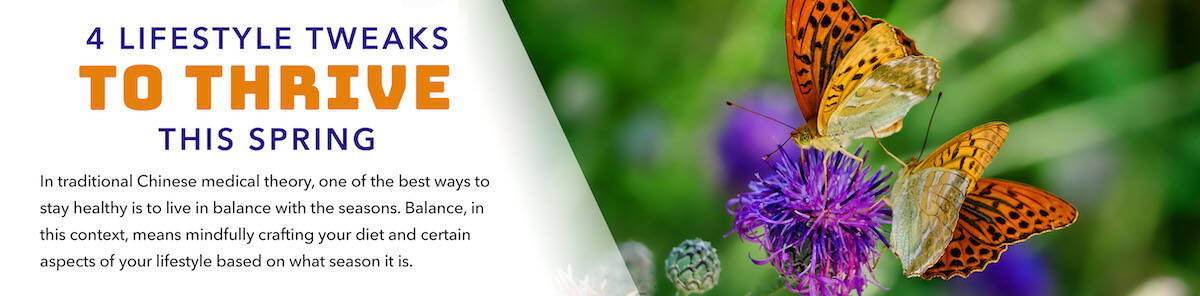 In traditional Chinese medical theory, one of the best ways to stay healthy is to live in balance with the seasons. Balance, in this context, means mindfully crafting your diet and certain aspects of your lifestyle based on what season it is.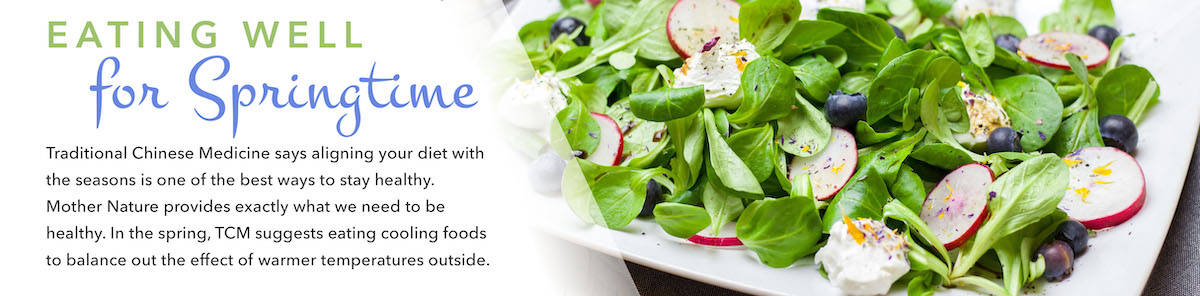
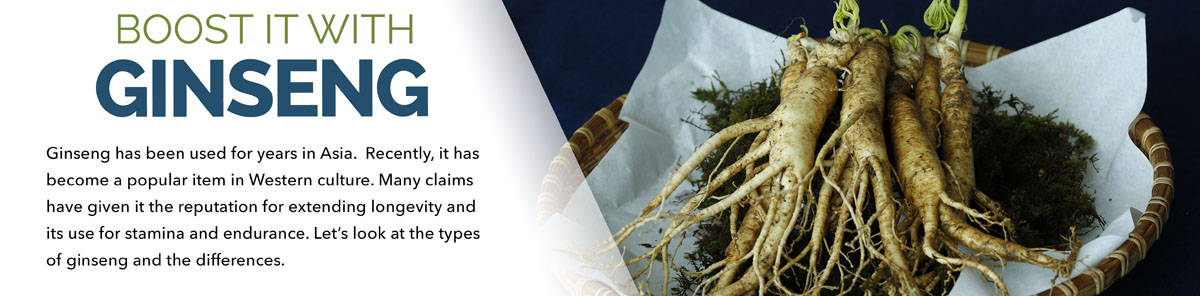 Ginseng is said to resemble a human body in shape, and it has been used for years in Asia.
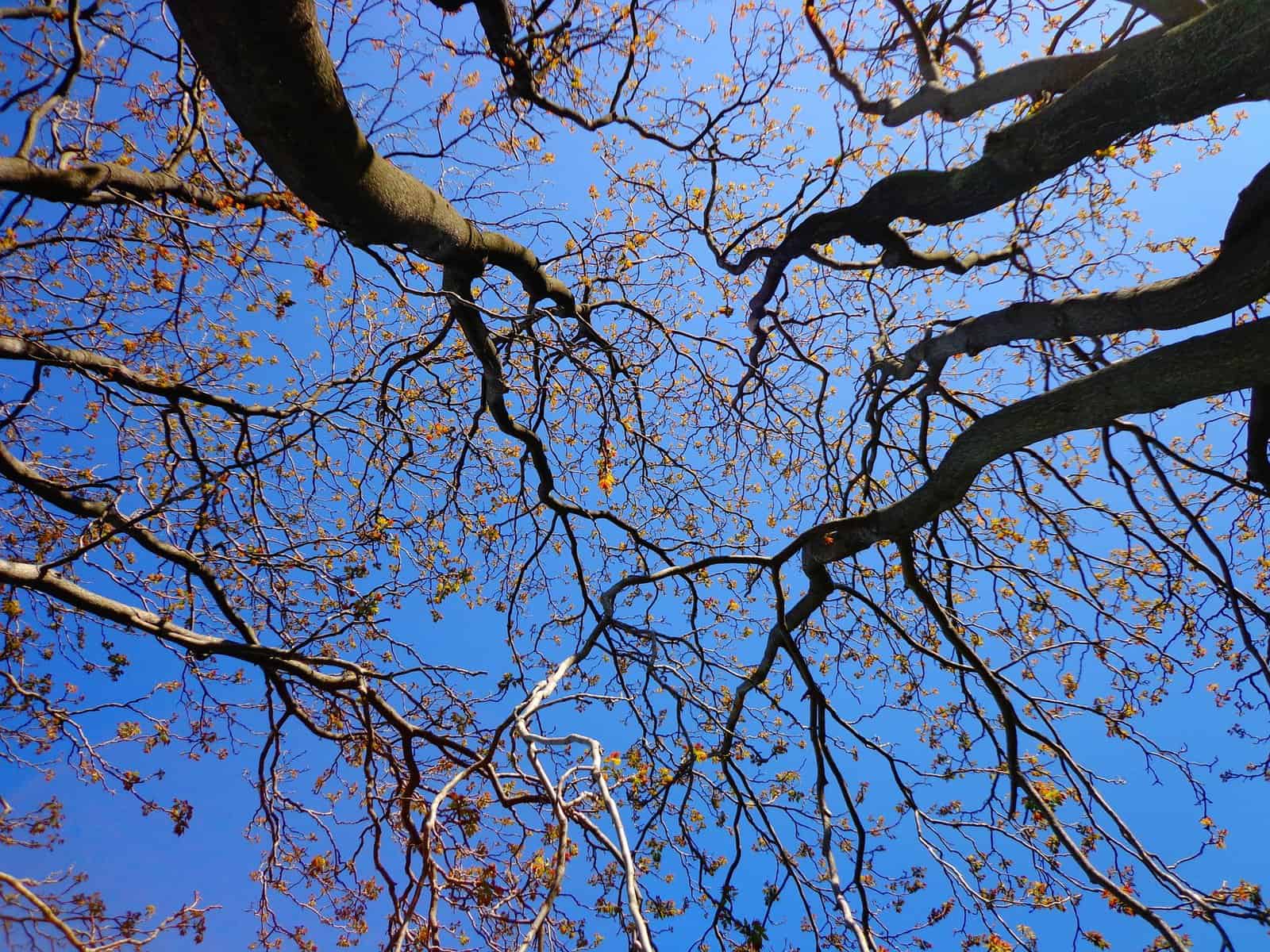 According to Traditional Chinese Medicine (TCM), the organ connected to springtime is the liver. The liver is connected to the wood element. Think about all of the new buds that come out in the springtime, this is the healthy state of the liver energy, full of creativity, desiring to move into and fill out a new space, unobstructed.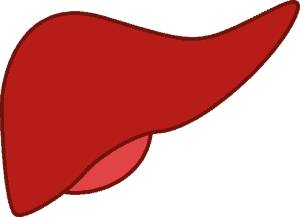
 A common diagnosis in TCM is Liver Qi Stagnation and the treatment for this pattern is Regulate Liver Qi, the herbal formula for this pattern is Xiao Yao Wan / Free and Easy Wanderer. When a patient receives treatment for Liver Qi Stagnation, the pent up stress can flow and the frustration can turn into creation and meaningful self expression. Happy Spring!
