 Low back pain is a very common problem–one that will strike four out of five Americans at some time in their lives. In fact, it’s one of the top reasons people seek medical care. Unfortunately, low back pain, and all types of back pain, isn’t always easy to diagnose or relieve. Low back pain in particular can become a chronic ongoing problem.
Acupuncture and Traditional Chinese Medicine (TCM) are very effective in treating back pain naturally.
How Back Pain Happens
There are many possible causes for back pain, including strained muscles or ligaments, often caused by improper lifting, sudden movements or traumatic injury. Other culprits can include arthritis, structural abnormalities of the spine, or the disks between the vertebrae bulging or rupturing and pressing on a nerve. Depending on the specific diagnosis, back pain is generally treated in western medicine with medications, physical therapy, chiropractic care, and in some cases, surgery. 
However, according to Dr. H. Endres, MD, “Acupuncture represents a highly promising and effective treatment option for chronic back pain. Patients experienced not only reduced pain intensity, but also reported improvements in the disability that often results from back pain, and therefore in their quality of life.”
A More Natural Approach
Practitioners of acupuncture view back pain another way. An acupuncturist will not only work to relieve your symptoms, but will also work to find and treat the underlying cause of your pain. In a study conducted at a Swedish hospital, doctors concluded that acupuncture provided long-term relief along with improvements in physical activity levels, quality of sleep and the diminished use of pain medication.
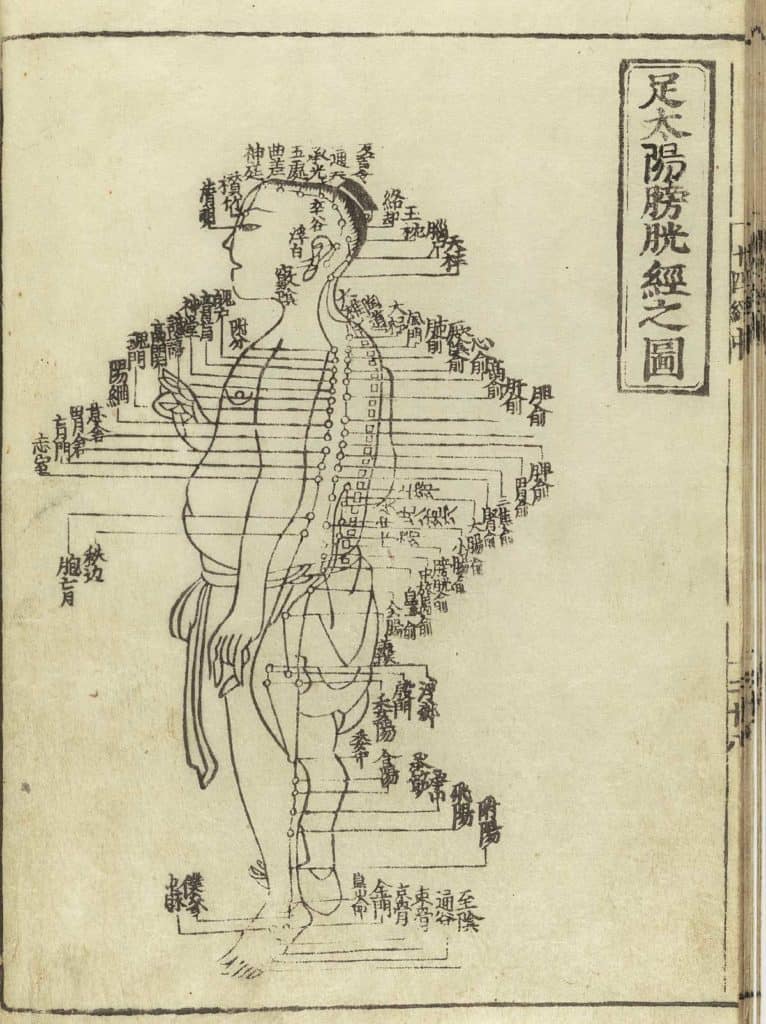
Traditional Chinese Medicine (TCM) which includes acupuncture as a main treatment protocol are based on the concept that Qi (pronounced “chee”), or vital energy, flows through the body in channels called meridians. Whan Qi becomes stagnant, unbalanced and/or deficient, symptoms such as back pain, ache and inflammation can result. This can happen for any number of reasons, from injury and illness to stress or external invaders such too much dampness. 
The underlying reason for the back pain is determined via a TCM exam, including asking questions, tongue viewing and pulse feeling. As a result of the exam and a TCM diagnosis is given and the acupuncture points are determined based on the findings and diagnosis given. Below are some of the main types of back pain as diagnosed through TCM.
• Stagnation – type pain that is often linked to sudden, stabbing, severe pain and related to sprains, strains or trauma. It can be accompanied by stiffness and tightness and becomes worse with rest. If it occurs often in the same area(s) it may reflect an underlying deficiency.
• Cold, damp obstruction – type pain that is generally worse in the morning and exacerbated by cold or damp weather. This type of pain condition may be associated with numbness, swelling and a sense of “heaviness.” Heat improves this condition.
• Deficiency – type pain that is usually
a chronic condition that presents with
a “dull” pain and improves with rest.

Restoring Balance
Once your practitioner has determined the cause(s) of your back pain, he or she will create a specific treatment plan designed to address your concerns and boost your overall health and vitality. During acupuncture treatments, your practitioner will insert fine, sterile needles into specific acupuncture points along the meridian pathways in order to restore the balance and flow of Qi. He or she may also perform acupressure or other types of therapy, based on your unique issues and symptoms.
Your practitioner may also suggest lifestyle changes and self-care techniques, especially if you struggle with chronic pain. These may include:
• Improving your posture – Examine your posture in a mirror. Try to stand with your head up, shoulders back and pelvis in a neutral position. When sitting, try to sit upright with your feet flat on the floor and your knees and hips level. Try to balance your weight evenly when walking and standing.
• Exercising – Keep your back and abdominal muscles strong with regular exercise. Yoga and Qi Gong are both gentle and effective. Consider adding aerobic exercise as well to improve your overall health and reduce stress.
• Managing stress – Stress can take a real toll on your health and contribute to muscle pain. Meditation or deep-breathing techniques can help you stay calm and relaxed. Massage is another great way to help relieve stress and loosen tense muscles.
More and more people are finding relief for both acute and chronic back pain through acupuncture and Traditional Chinese Medicine (TCM). If you or someone you love is struggling with back pain, call today to find out how acupuncture can help. Read research regarding acupuncture helping with lower back pain here:
References:
Back pain. MayoClinic.com. Feb. 8, 2008. Link
Sollars, David W. L.Ac. The Complete Idiot’s Guide to Acupuncture and Acupressure. Alpha Books, 2000.
Stone, Al. L.Ac. Chinese Medicine for Back Pain. Acupuncture.Com. Link